As we age, the body undergoes significant physiological and metabolic changes that directly impact nutritional needs. For older adults, maintaining a healthy diet for elderly individuals is not just about eating well, but it’s about preventing complications such as malnutrition, dehydration, and chronic disease progression.
At Elderlove, we believe that effective geriatric nutrition should be practical, safe, and tailored to each individual’s condition, health, and lifestyle. This is why we provide healthy meals for seniors at our centre.
Understanding Geriatric Diet and Nutrition
A well-planned geriatric diet focuses on maintaining strength, preventing deficiencies, and managing existing health conditions. Unlike younger adults, elderly individuals often face challenges such as reduced appetite, swallowing difficulties, medication interactions, and limited mobility.
Therefore, nutrition in older adults must be balanced with the nutrient intake and health conditions.
1. Adequate Energy and Protein Intake
Older adults are at increased risk of protein energy malnutrition (PEM) due to:
- Reduced appetite
- Changes in taste and smell
- Dental issues
- Social isolation
PEM can lead to sarcopenia, a condition involving loss of muscle mass, increasing the risk of falls, weakness, and bedsores.
Practical Tips:
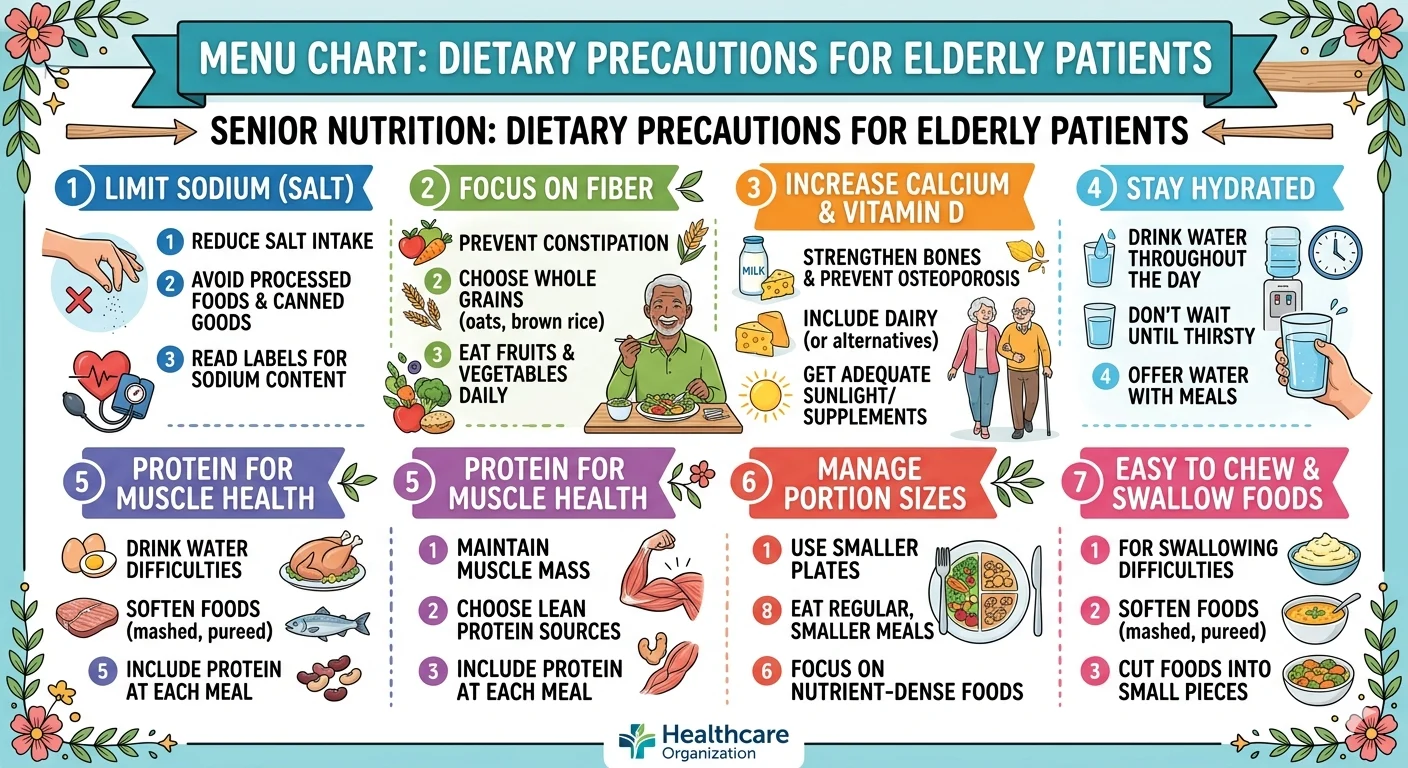
- Include high-quality protein sources such as eggs, dairy, fish, and legumes
- Encourage small, frequent meals if appetite is low
2. Hydration: A Commonly Overlooked Risk
Aging reduces the body’s thirst response, making dehydration more likely even without obvious symptoms.
Recommendations:
- Encourage regular fluid intake throughout the day
- Offer water, soups, and hydrating fruits
- Monitor fluid intake in patients with heart or kidney conditions, where restriction may be necessary
3. Micronutrient Needs in Geriatric Nutrition
Key Nutrients:
- Vitamin D & Calcium: Support bone health and reduce fall risk
- Vitamin B12 & Folic Acid: Maintain cognitive function and prevent anemia
- Iron: Essential for preventing anemia
4. Gastrointestinal Health
Digestive issues are common in older adults and can significantly affect nutrition.
Common Concerns:
- Constipation due to low fiber intake
- Dyspepsia (indigestion)
Dietary Tips:
- Increase fiber through fruits, vegetables, and whole grains
- Ensure adequate hydration to support digestion
5. Cardiovascular and Metabolic Precautions
Many elderly individuals live with chronic conditions such as hypertension, diabetes, or heart disease.
Dietary Adjustments:
- Limit sodium intake to control blood pressure
- Reduce saturated and trans fats; choose healthier unsaturated fats
- Control sugar intake, especially in diabetic patients
A well-balanced geriatric diet can significantly reduce disease complications.
6. Renal-Specific Considerations
For elderly individuals with kidney disease, diet must be carefully managed.
Key Points:
- Monitor intake of protein, sodium, potassium, and phosphorus
- Avoid unnecessary protein restriction in frail individuals
- Adjust diet as kidney function changes over time
7. Swallowing and Safety Issues
Conditions such as stroke or dementia can lead to dysphagia (difficulty swallowing), increasing the risk of choking or aspiration.
Safety Measures:
- Modify food texture (e.g., soft, soup or pureed diets)
- Adjust liquid consistency if needed
- Ensure upright positioning during meals
8. Drug–Food Interactions
Many elderly individuals take multiple medications, which can interact with certain foods.
Examples:
- Vitamin K-rich foods may affect blood thinners
- Grapefruit can interfere with some cardiovascular medications
Best Practice:
- Monitor meal timing and medication schedules
- Seek professional guidance when needed
9. Food Safety in Elderly Care
Older adults are more vulnerable to foodborne illnesses due to weakened immunity.
Precautions:
- Avoid raw or undercooked foods
- Choose pasteurized dairy products
- Ensure proper food storage and hygiene
10. Psychosocial and Functional Factors
Important Considerations:
- Address loneliness, depression, or cognitive decline
- Encourage shared meals and familiar foods
- Consider financial limitations and ability to prepare meals
A supportive environment can significantly improve dietary intake and overall well-being.
Conclusion
At Elderlove, we emphasize personalized nursing care services that supports both physical health and emotional well-being because every senior deserves dignity, comfort, and quality of life through proper nutrition.
If you are caring for your loved one, understanding these dietary precautions is the first step toward providing better support and long-term health.