Osteoporosis is a serious but often overlooked condition that affects bone strength over time. It is commonly referred to as a “silent disease” because it develops gradually without obvious symptoms until a fracture occurs. Through awareness, early screening, and proper elder care support, the risk of complications can be significantly reduced. At Elderlove, as a senior care centre in Malaysia, we support seniors’ wellbeing, especially in helping families understand age-related conditions such as osteoporosis.
Understanding Osteoporosis
Osteoporosis is a condition where bones become weak, brittle, and more prone to fractures. It most commonly affects the hip, spine, and wrist, and can occur even after a minor fall or simple movement.
Many individuals do not realise they have osteoporosis until they experience a fracture. This is why it is called a “silent bone disease.” As bones lose density over time, everyday activities such as bending, lifting, or walking can become risky for older adults.
Osteoporosis is especially common among post-menopausal women and older men. After the age of 50, the risk of fractures increases significantly, and hip fractures in older adults can lead to serious consequences such as reduced mobility, loss of independence, and long-term health complications.
Common Signs and Symptoms of Osteoporosis
In its early stages, osteoporosis may not show clear symptoms. However, as the condition progresses, some warning signs may appear:
- Frequent fractures from minor falls or injuries
- Gradual loss of height over time
- A stooped or hunched posture
- Persistent back pain, especially in the spine
- Reduced mobility or physical confidence due to fear of falling
Because symptoms are often subtle, many families only become aware of the condition after a fracture has already occurred. This makes prevention and early monitoring extremely important in elder care.
Why Does It Occur?
Osteoporosis develops when the body loses bone faster than it can rebuild it. While ageing is a natural part of this process, several well-established risk factors can significantly increase the likelihood of developing the condition.
Understanding these factors is key to prevention;
- Increasing Age
As we grow older, bone regeneration slows down. The body gradually loses more bone mass than it produces, leading to weaker and less dense bones. This makes seniors more vulnerable to fractures, even from minor falls.
- Female Gender, Especially After Menopause
Women are at a higher risk of osteoporosis, particularly after menopause. This is due to a sharp decline in estrogen levels. As estrogen decreases, bone loss accelerates, increasing fracture risk.
- Family History of Fractures or Osteoporosis
Genetics can play a significant role. Individuals with a family history of osteoporosis or frequent fractures may inherit lower bone density or structural weaknesses, making early screening especially important.
- Low Body Weight or Frailty
People with low body weight or frailty often have less bone mass to begin with. Additionally, reduced muscle strength can increase the risk of falls, compounding the likelihood of fractures.
- Sedentary Lifestyle or Lack of Physical Activity
Bones, like muscles, need regular use to stay strong. A lack of weight-bearing activities, such as walking or light exercise, can accelerate bone loss.
- Poor Intake of Calcium and Vitamin D
Calcium is a primary building block of bones, while vitamin D helps the body absorb calcium effectively. A long-term deficiency in either nutrient can weaken bones and contribute to osteoporosis.
- Smoking Habits
Smoking has been shown to reduce bone density and interfere with the body’s ability to absorb calcium. It also affects hormone levels, further increasing the risk of bone loss over time.
At Elderlove, awareness of these risk factors is important for guiding families and caregivers in creating safer environments and healthier daily routines for seniors.
How Is Osteoporosis Diagnosed?
Early diagnosis plays a major role in preventing serious fractures. Medical professionals typically use the following methods:
- Bone Mineral Density (DEXA) scan to measure bone strength
- Clinical fracture risk assessment to evaluate overall risk level
- Blood tests if underlying medical causes are suspected
Screening is especially recommended for post-menopausal women and adults aged 65 and above. Early detection allows timely intervention, reducing the chances of severe injury. Regular screening is important for older adults and those with risk factors. At Elderlove, our Doctor will check the senior’s conditions every week.
Available Treatments for Osteoporosis
Treatment for osteoporosis focuses on strengthening bones, preventing fractures, and improving overall safety. Depending on the individual’s condition, treatment may include medical care and lifestyle support.
Key management approaches include:
- Weight-bearing exercises such as walking or stair climbing
- Resistance training to improve muscle and bone strength
- Balance training to reduce the risk of falls
- Adequate calcium and vitamin D intake to support bone health
- Home safety improvements, such as grab bars, good lighting, and non-slip mats
- Smoking cessation for better bone health outcomes
In more severe cases, medication may be prescribed by healthcare professionals.
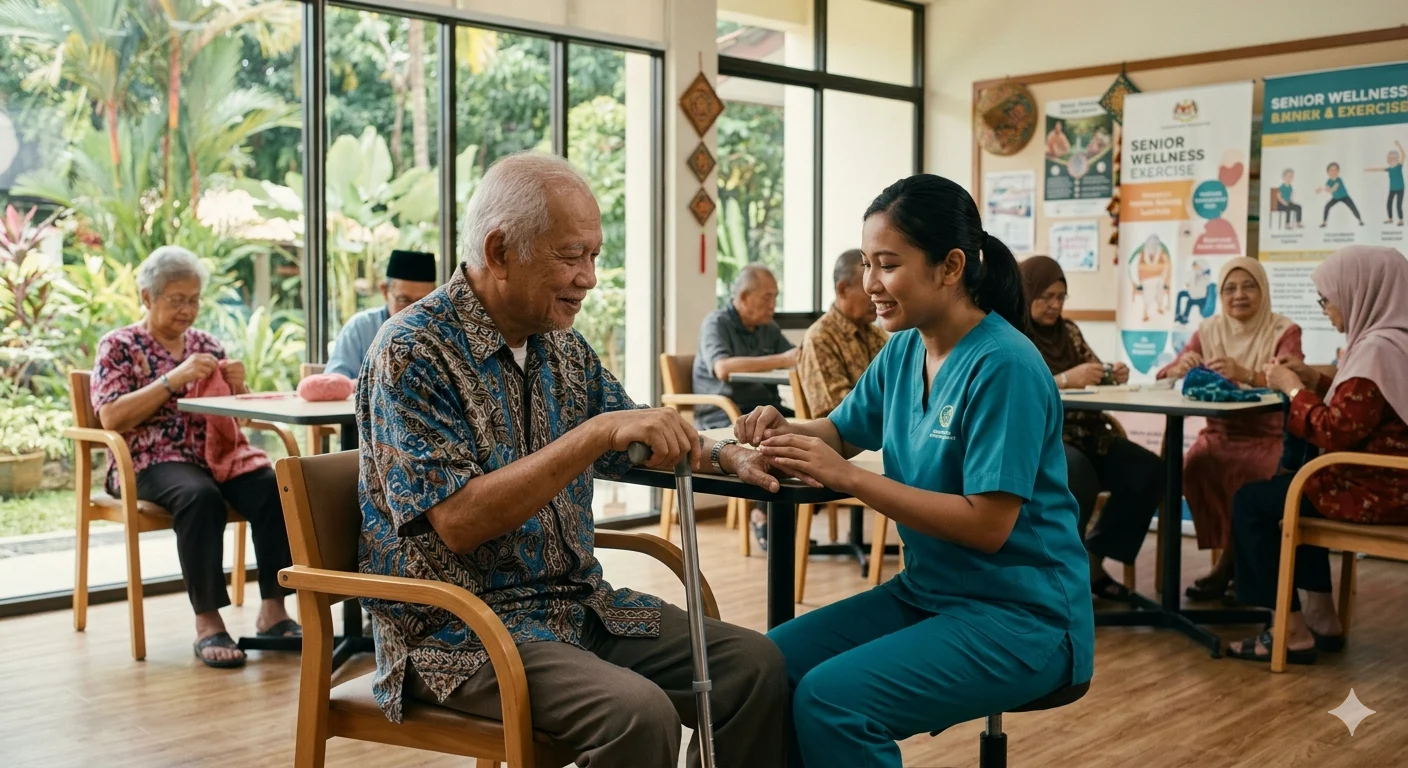
Elderlove emphasizes practical day care support that helps seniors stay active, safe, and confident while reducing fall risks.
When Is It Important to Seek Medical Advice?
It is important to seek medical evaluation early if any of the following signs are present:
- A fracture occurs after a minor fall or simple movement
- Noticeable height loss or a curved/stooped spine develops
- Persistent or unexplained back pain continues
- There is a strong family history of osteoporosis or fractures
- The individual is post-menopausal or over 65 and has never undergone bone screening
Early medical attention can help prevent further complications and reduce the risk of serious injuries.
We at Elderlove provide elderly care services to ensure safer daily living environments and better long-term well-being for seniors.
Conclusion
Osteoporosis is a silent but serious condition that can significantly affect the quality of life in older adults if left undetected. Because it often shows no symptoms until a fracture occurs, early awareness, screening, and preventive care are essential.
At Elderlove elderly care centre in Malaysia, your loved ones are cared for by a team of experienced medical professionals, including doctors and trained caregivers, ensuring safe, reliable, and clinically guided support.
We provide 24/7 nursing care alongside personalised healthy meal services plans tailored to each individual’s health, emotional wellbeing, and daily needs. With specialised dementia care, nutritious meals, and engaging daily activities, we focus on improving the quality of senior life while keeping residents active, respected, and well cared for every day.